
About Synautis
We help people on the autism spectrum prevent and manage episodes of emotional dysregulation
Synautis is a smart vest designed to help individuals on the autism spectrum anticipate and regulate emotional dysregulation episodes.
The vest monitors physiological data such as heart rate and skin conductance (sweating levels). First, it records baseline data during a resting state, and then compares it to data collected during stressful situations. When the system detects changes associated with emotional dysregulation, the vest activates a gentle compression that simulates a hug, helping the user calm down.
At the same time, it sends an immediate alert to a mobile application with the student’s exact location, notifying registered caregivers or responsible adults so they can provide support or accompaniment while the device is acting.
This functionality is made possible through biomedical sensors controlled by an ESP32-C3 microcontroller, which processes pulse and galvanic skin response data. All electronic components are compact to avoid discomfort during use.
Considering the sensory hypersensitivity often present in individuals on the autism spectrum, the vest is made from Lycra DuPont fabric and designed without internal seams that could cause irritation or increase anxiety.
Together, these features allow Synautis to act preventively and in real time, combining technology and sensory design to promote well-being, safety, and effective support in educational environments.

SYNAUTIS STAGES
First Prototype
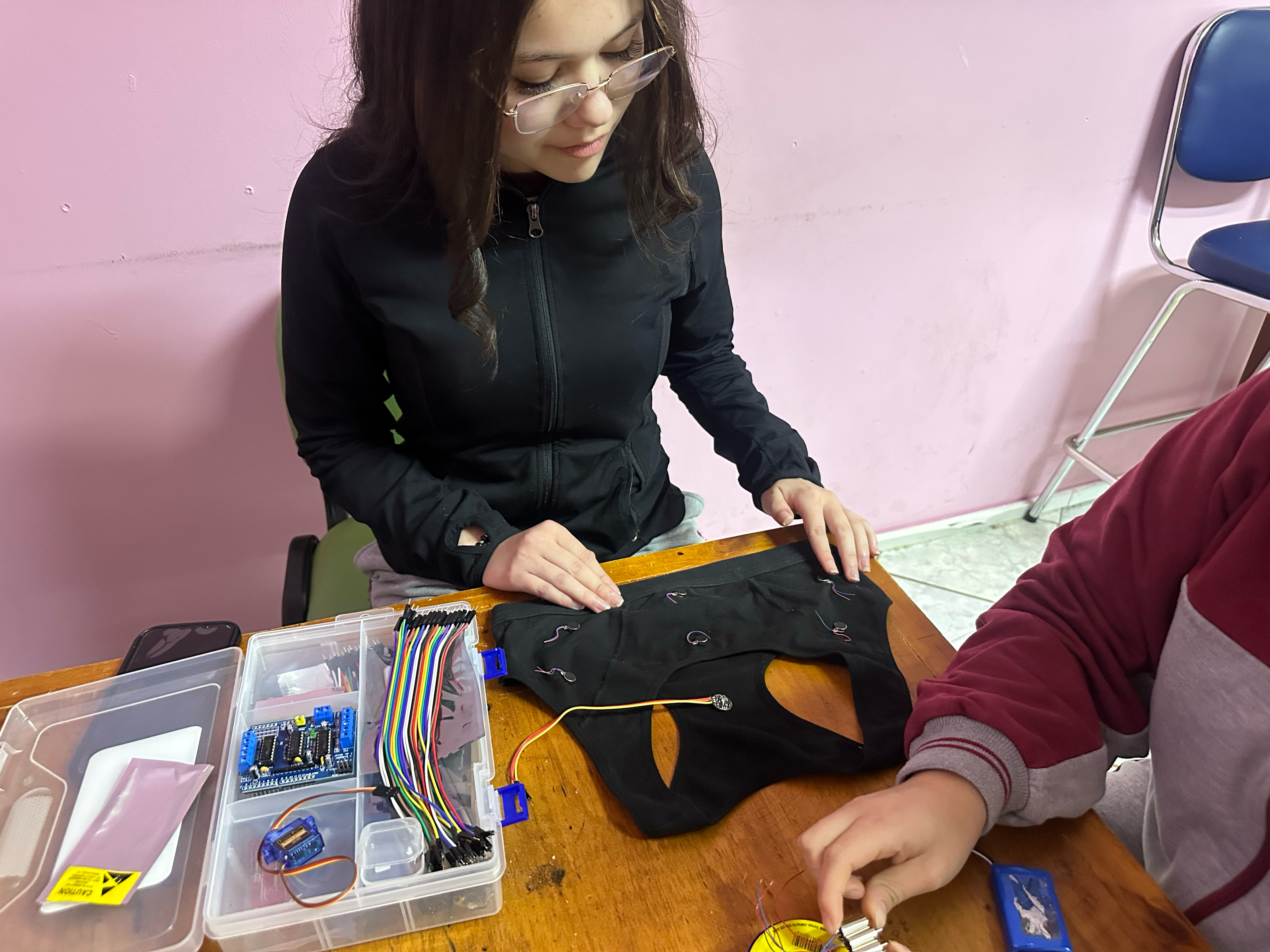
Our first prototype consisted of a sports vest integrating sensors connected to an Arduino LilyPad system.
We also developed a mobile application capable of measuring stress indicators such as heart rate and skin conductance. When the system detected a possible dysregulation episode, the application sent an alert to the responsible adult along with the user’s GPS location. Simultaneously, the vest activated a gentle compression designed to simulate a hug and help calm the user.
However, we identified that the vest material was not suitable for individuals with autism due to potential sensory discomfort.
Final Prototype
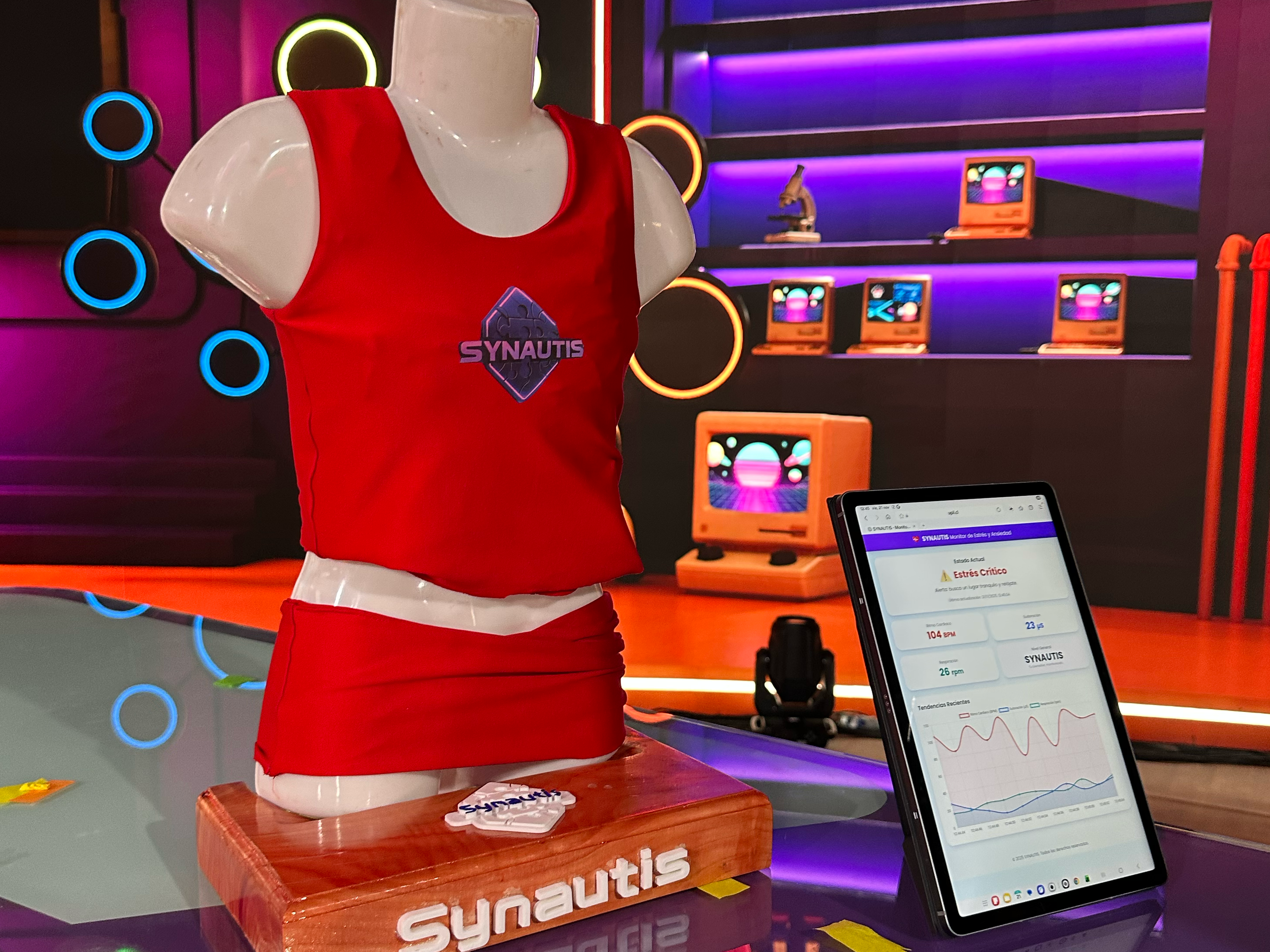
We developed the final prototype by maintaining the electronic system and mobile application, but replacing the original vest with one made from elastic Lycra DuPont fabric — a more comfortable, flexible, and sensory-friendly material.
We also replaced the Arduino LilyPad with an ESP32-C3 microcontroller, due to its smaller size and improved connectivity options.
SYNAUTIS TEAM
María José Díaz C.
What was your experience like developing the project for your application to Los Creadores?
My experience applying to Los Creadores was wonderful. I never imagined reaching the point where I am today, and even less that something that seemed so simple could open so many doors and help me fulfill a dream I’ve had since I was very little.
What I liked the most was connecting even more with my teammates, discovering new things, and learning so much in every way. I enjoyed meeting incredible people, visiting amazing places, and above all, learning more about technology — a world that has always caught my attention.
It was very interesting to meet students from other regions: learning about their customs, their different ways of seeing things, and understanding why they were there as well. In that process, I realized I wasn’t the only one interested in the world of technology, and that was truly inspiring and wonderful.
What would you say to other kids to get them interested in science and technology?
I would tell other boys and girls not to be afraid of science or technology, to dare to try even if they have doubts. There will be difficult days and beautiful ones, but every mistake makes you stronger. Trust yourselves and your teammates, and don’t be afraid to share your ideas, because in science every idea matters and can be the beginning of something great.

Moira Morales Q.
What was your experience like developing the project for the Los Creadores competition?
Personally, it was a unique experience, where together with my classmates and teacher we were able to bring our ideas together to create something meaningful. I won’t deny that there was stress, but there were also laughs, and of course, we never lacked the determination to win.
What I liked most was experiencing new things: learning to work as a team, assigning roles, helping each other, and of course, working alongside Professor Carlos.
Visiting Santiago was a unique experience for me, and living that with people I care about… it became one of the best memories I will have.
During our stay, I was able to talk with people from other regions, and it was exactly as I imagined: each one had their own vibe, their own special touch that made them stand out. It became an enriching and positive experience.
What would you say to other kids to get them interested in science and technology?
I would tell them to trust themselves and their abilities, and to keep an open mind, ready for anything. But above all, to dare to develop their ideas, no matter how crazy they may seem, because with them they can go very far. Every great thing in the world was born from an uncertain idea that, with dedication and determination, became something brilliant and influential. Enjoy the process of creating, laugh. And if you make mistakes, learn and improve — that’s what this is all about.

Laura Álvarez C.
What was your experience like developing the project for the Los Creadores competition?
Los Creadores was an incredible experience!
Developing this project to apply for Los Creadores was an intense and transformative process.
It not only meant creating a solution, but also learning to observe reality with different eyes, to work with perseverance, and not to give up when something didn’t work the first time. There were difficult moments, but those were exactly the ones that left the greatest lessons and helped us grow as people.
Meeting students from different regions of the country was an enriching experience. Despite our contextual differences, we shared the same motivation: to create and contribute through our abilities. That experience confirmed that talent and innovation exist everywhere.
What would you say to other kids to get them interested in science and technology?
To the boys and girls who feel curious about this incredible world, I would say: dare to try. Science and technology are built from curiosity and the desire to learn. Every idea has value, no matter your age or where you come from. A simple question can turn into a real solution, and the future is built by those who dare to imagine it.
Mahily Sobarzo L.
What was your experience like developing the project for the Los Creadores competition?
Developing this project was an experience I would definitely live again. It allowed me to understand how important it is to put yourself in someone else’s place and create a solution from empathy. It was not an easy process, but every difficulty helped me learn, grow, and move forward with more motivation.
What I liked the most were all the new experiences I had — meeting very talented people, visiting places I never imagined I would see, and all the personal growth I experienced throughout this process. It is something I will carry with me forever, because we didn’t just develop a project — we grew as people.
It was also very inspiring to meet students from other regions. Despite the distance, we shared the same interests and the same desire to create change. It made me realize that in every place there are different problems, but also young people willing to create solutions from empathy, which made the whole experience even more meaningful.
What would you say to other kids to get them interested in science and technology?
I would tell them to dare, to try, and to give themselves the opportunity to discover how incredible the STEM world is. Many times you think you are not capable, until you start and realize everything you can do.
Sometimes it all begins with a simple question or the desire to help someone. And it’s beautiful to see how something that was once only in your mind can become real.
That’s when you understand that you can also create, find solutions, and make a difference, no matter your age.

Carlos Pérez L.
Do you think there is a before and after in the student’s motivations?
Definitely yes. There is a “before,” often marked by doubt, fear of making mistakes, or the idea that “this is not for me,” and an “after,” where students recognize themselves as capable, creative, and protagonists.
We have participated four times with different teams, and in each of them I have witnessed their transformation after Los Creadores. Achieving second place in 2024 with SIMA and first place in 2025 with Synautis strengthened their confidence, commitment, and desire to continue learning and creating.
Why do you believe it is important to teach digital skills and innovation to students?
Because the world they are facing demands more than just content knowledge. Teaching digital skills and innovation provides tools to solve real problems, adapt to change, work in teams, and transform ideas into concrete actions.
It is not only about technology, but about forming critical, creative students who understand they can be agents of change in their environment.
About Wolfgang Amadeus Mozart School
Wolfgang Amadeus Mozart School is a government-subsidized private institution located in Collipulli, in the Araucanía Region of Chile, with more than 40 years of experience. It serves students from early childhood education through high school and has multiple campuses.
GALLERY
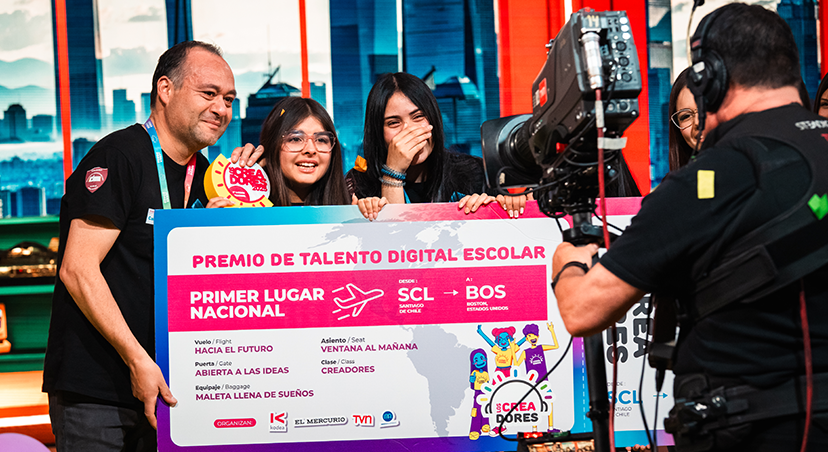
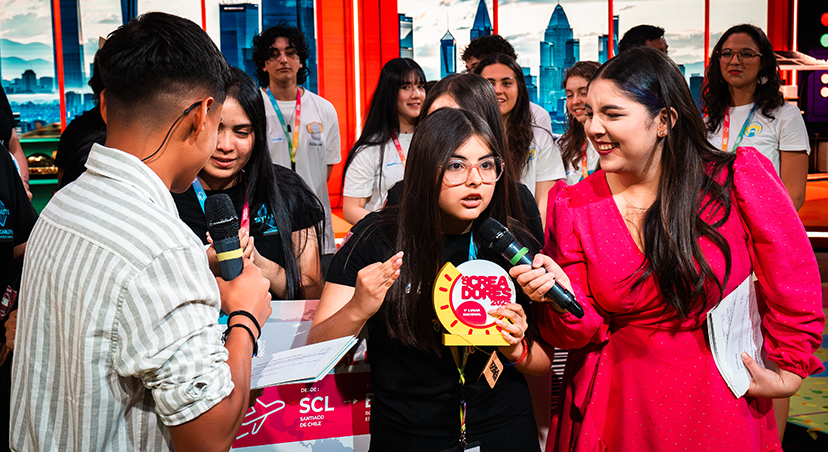
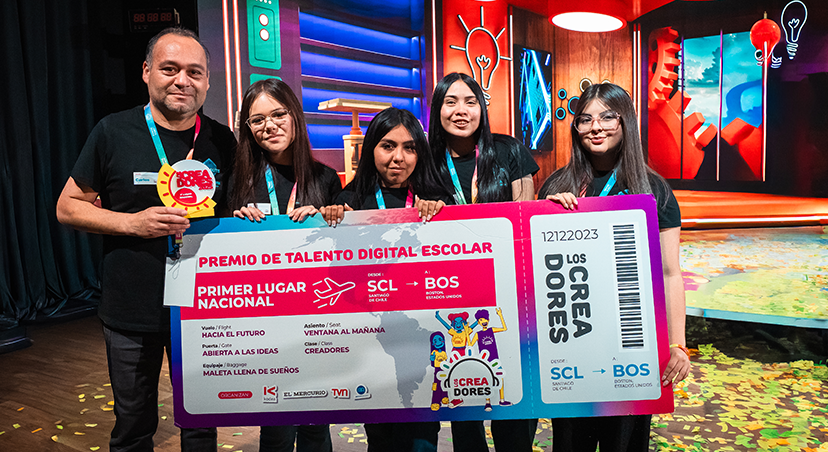
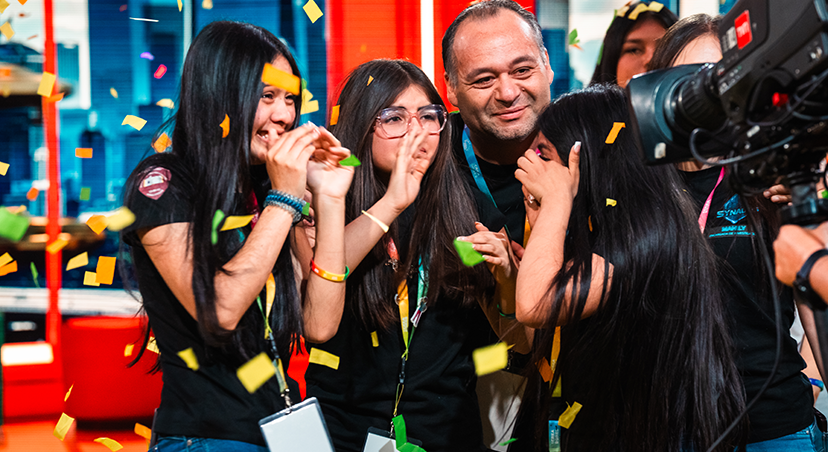
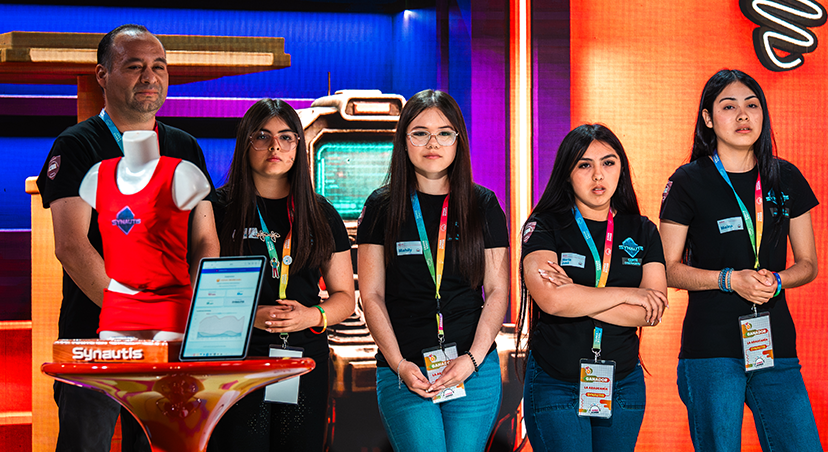
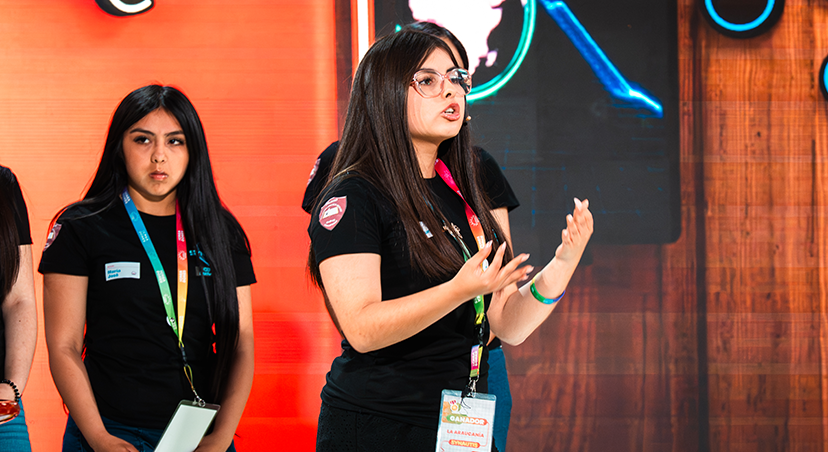
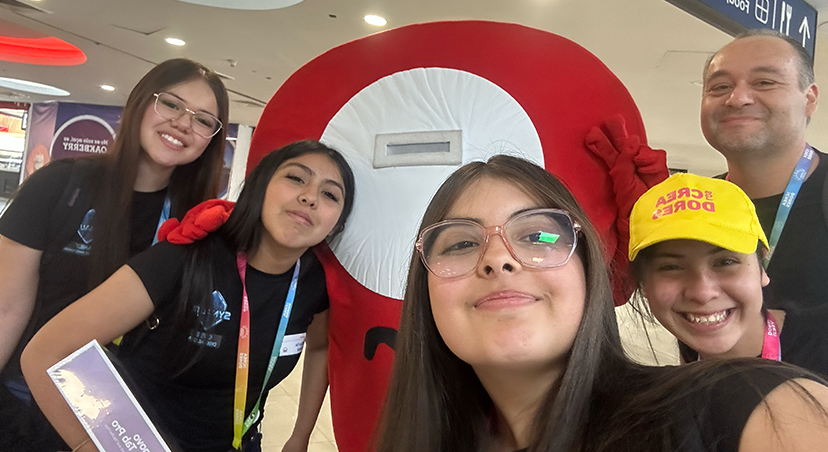
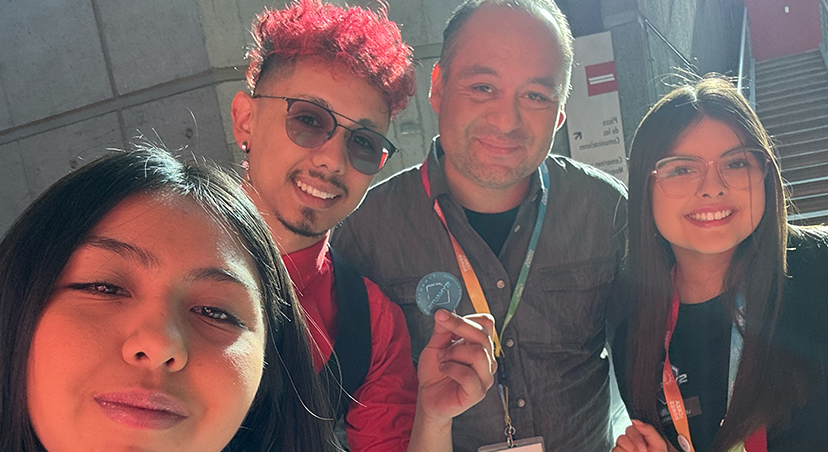
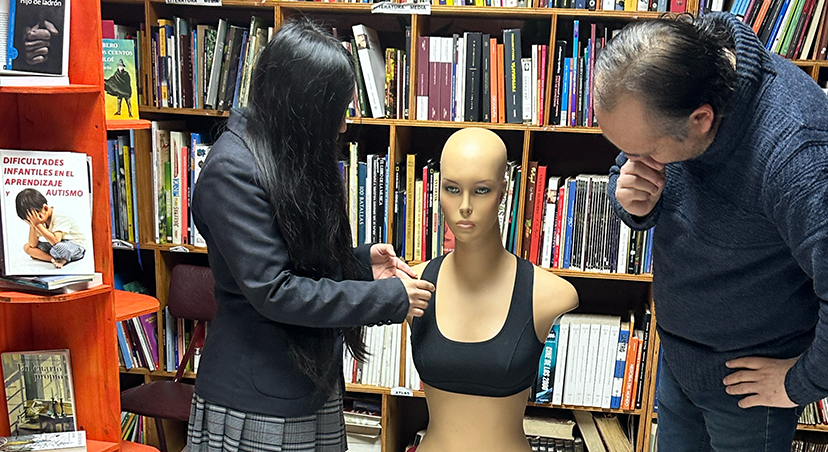
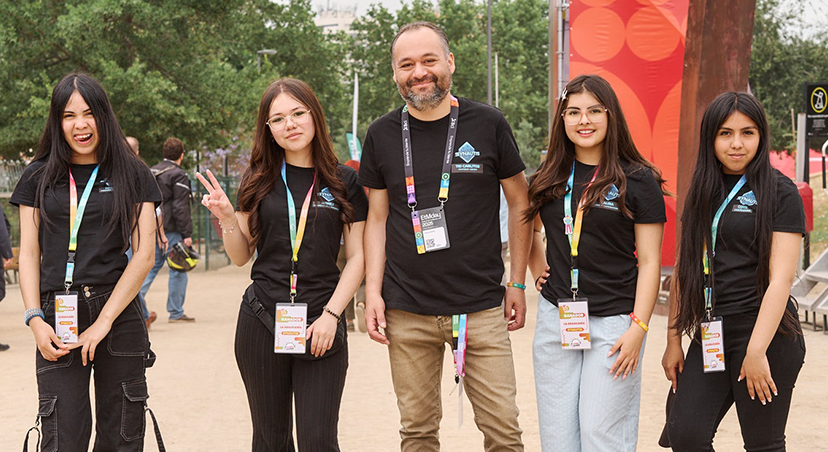
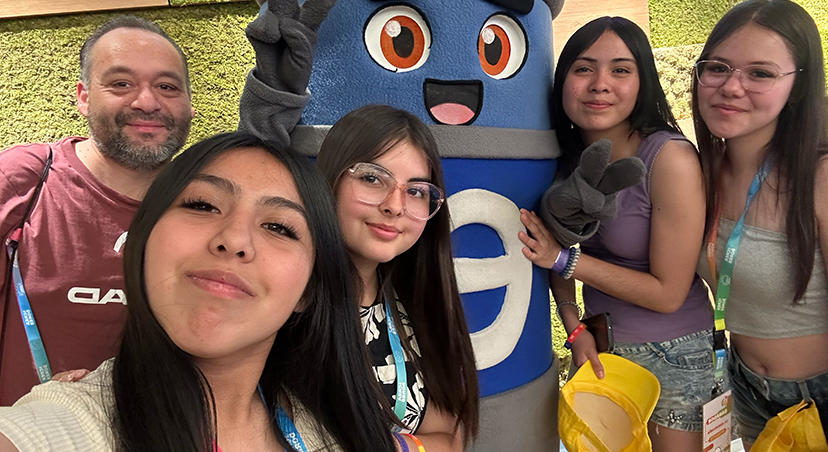
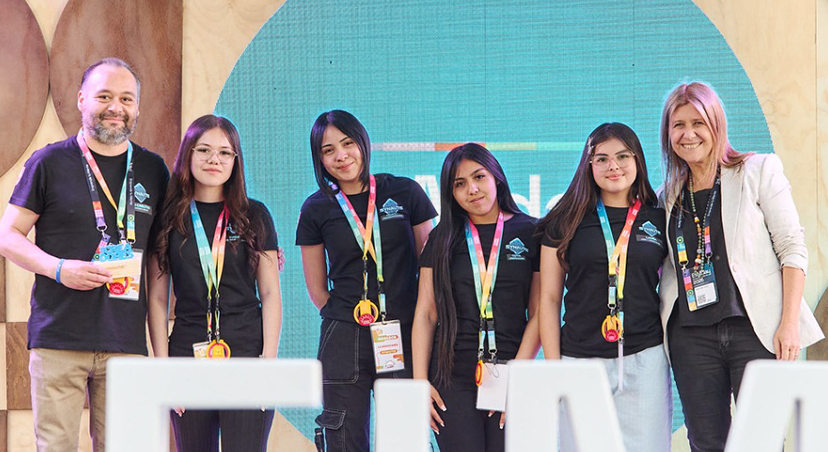
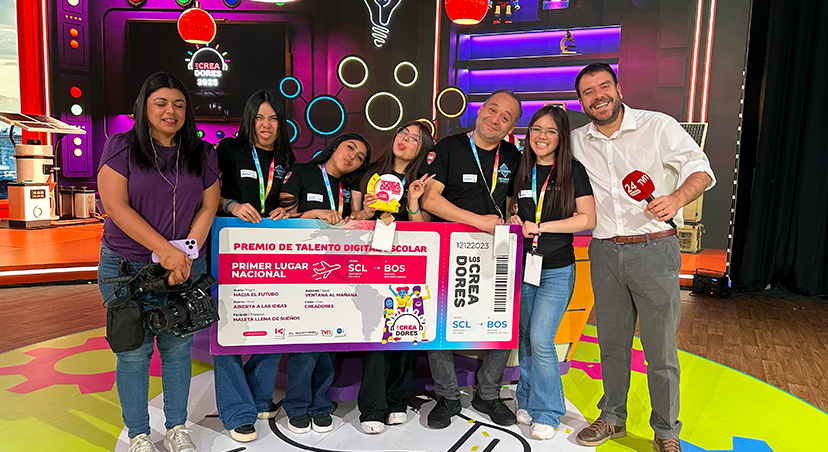
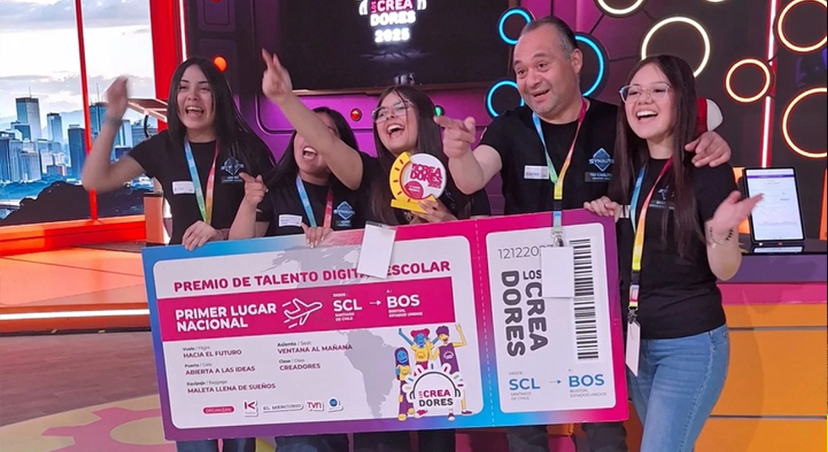
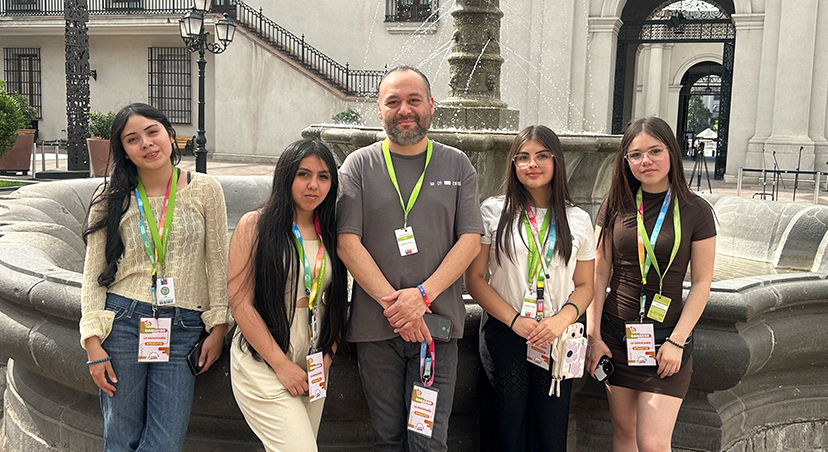
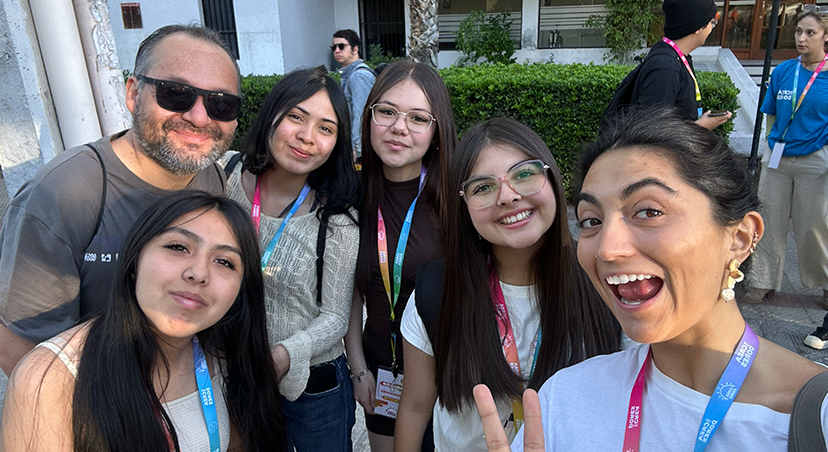
The Synautis team, winners of the first place national award at the Los Creadores 2025 Digital Talent Prize, is traveling to the United States to immerse themselves in the technological ecosystem of the world’s No. 1 region for innovation and entrepreneurship: Boston, Massachusetts.
This trip is made possible thanks to:
